

Martial arts equipment
09/04/2025 | OfisDom
Martial arts equipment varies depending on the style you practice, but here’s a general list of common gear used across different disciplines:
Protective Gear
- Headgear – For sparring (boxing, MMA, taekwondo, kickboxing).
- Mouthguard – Essential for contact sparring.
- Groin Protector (Cup) – Used in most combat sports.
- Chest Protector – Common in taekwondo, karate, and kendo.
- Shin Guards – Used in Muay Thai, kickboxing, and MMA.
- Arm/Elbow Guards – For striking arts like Muay Thai.
- Hand Wraps & Gloves – Boxing, MMA, kickboxing.
- Ankle Supports – For stability in high-movement arts.
Training Equipment
- Focus Mitts (Pads) – For striking practice (boxing, karate).
- Heavy Bags – Used in boxing, Muay Thai, MMA.
- Double-End Bags – Improves timing and accuracy.
- Thai Pads – For Muay Thai/kickboxing kicks and knees.
- Kicking Shields – For power kicks and knee strikes.
- Wooden Dummy (Mook Jong) – Used in Wing Chun.
- Punching Dummy (Bob) – For full-body striking practice.
Weapons (Traditional Martial Arts)
- Bo Staff – Used in karate, kobudo.
- Nunchaku – Popular in karate and Okinawan martial arts.
- Katanas / Bokken (Wooden Sword) – For kendo, iaido, kenjutsu.
- Escrima Sticks – Used in Filipino martial arts (Kali, Arnis).
- Sai – Traditional Okinawan weapon.
Uniforms & Apparel
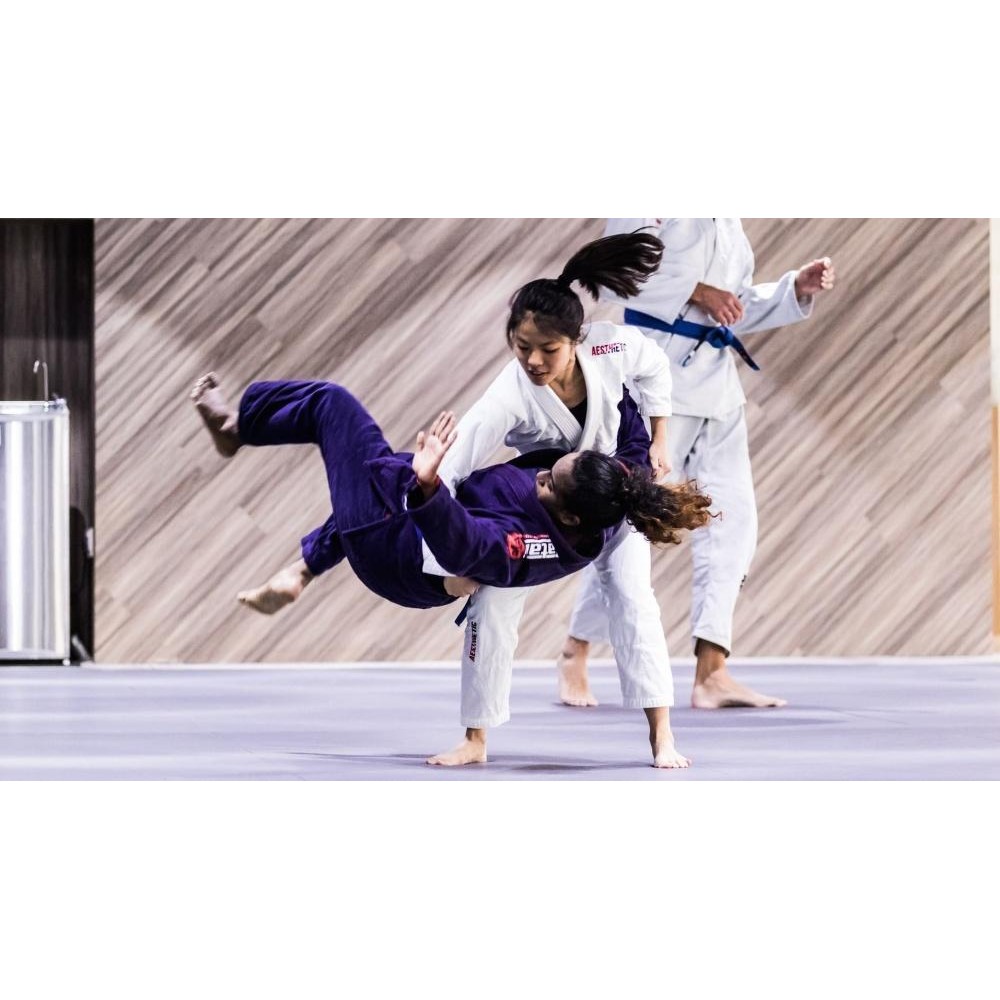
- Gi (Karate, Judo, BJJ) – Heavy (judo) or lightweight (karate).
- Rash Guards & Fight Shorts (BJJ, MMA) – For grappling.
- Belt – Indicates rank in many martial arts.
- Taekwondo Dobok – V-neck uniform for TKD.
- Muay Thai Shorts – Lightweight, flexible for kicking.
Grappling Equipment (BJJ, Judo, Wrestling)
- Grappling Dummy – For solo BJJ/wrestling drills.
- Judo Mat (Tatami) – For safe throws and groundwork.
- Finger Tape – Prevents injuries in BJJ.
Brazilian Jiu-Jitsu (BJJ) requires specific super kick gear for training, competition, and hygiene. Here’s a breakdown of essential and optional BJJ equipment:
Essential BJJ Gear
1. Gi (Kimono) – The traditional uniform for gi BJJ.
- Material: Heavy cotton (350-550 GSM for durability).
- Fit: Should allow movement without being too loose.
- Brands: Tatami, Venum, Fuji, Hyperfly, Shoyoroll.
- Colors: White, blue, or black (some gyms restrict colors).
2. No-Gi Attire (For no-gi/submission grappling)
- Rash Guard (Short or long-sleeve) – Prevents mat burns and bacteria.
- Grappling Shorts/Spats – Stretchy, no pockets (to avoid toe injuries).
- Brands: Tatami, RVCA, Scramble, 93Brand.
3. Belt – Indicates rank (white → blue → purple → brown → black).
- Some gyms provide the first belt with the gi.
4. Mouthguard – Protects teeth during rolls (especially in competition).
- Recommended: SISU, Venum, Shock Doctor.
5. Finger Tape – Prevents mat burn and joint injuries (common in gripping).
Optional but Useful BJJ Equipment
6. Ear Guards (Wrestling Headgear) – Prevents cauliflower ear.
- Recommended: Cliff Keen, Brute.
7. Knee Pads/Sleeves – Protects joints during takedowns and guard play.
- Recommended: Bauerfeind, Cliff Keen.
8. Grappling Dummy – For solo drills (great for home practice).
9. Gym Bag with Ventilation – To air out sweaty gear (anti-bacterial bags help).
10. Anti-Bacterial Gear Spray – Prevents staph/ringworm (e.g., Defense Soap).
Competition-Specific Gear
- IBJJF-Approved Gi – Must meet size/patches regulations.
- No-Gi Legal Rash Guard & Shorts – Some tournaments require specific colors.
- Athletic Cup (Optional) – Some competitions allow soft cups.
Hygiene Tips for BJJ
- Wash gear immediately after training to prevent bacteria.
- Shower ASAP with anti-fungal soap (Defense Soap, Tea Tree Oil).
- Keep nails short to avoid scratching training partners.